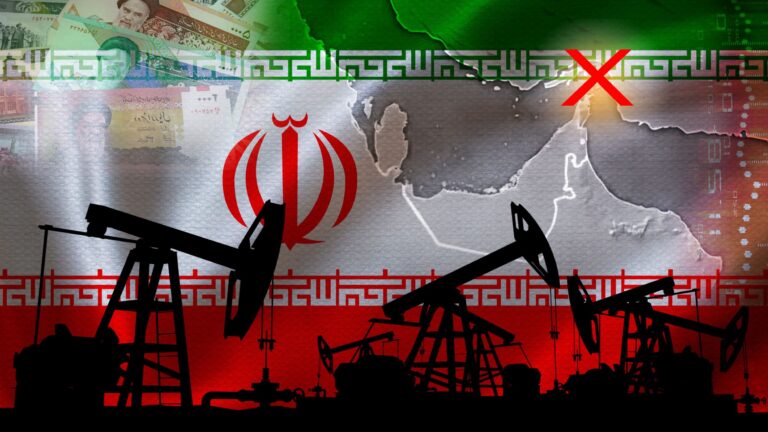
Announced on 17 June, the deal establishes a ceasefire and a 60-day negotiating period during which both sides have committed to halt military action and hammer out a more detailed settlement covering nuclear issues, sanctions, regional security and economic cooperation.
For fuel distributors and wholesale markets, the most significant element is the commitment to restore normal commercial navigation through the Strait of Hormuz and reduce the associated disruption to energy supply.
The agreement comes after weeks of heightened tensions that raised fears of a wider regional conflict and renewed concerns over the security of one of the world’s most important energy corridors. With one fifth of globally traded oil passing through the Strait of Hormuz, any disruption quickly affects international crude prices and, ultimately, wholesale fuel costs.
Why it matters
Although the UK imports relatively little crude oil directly from the Gulf compared with some regions, the disruption ultimately impacts both cost and supply of imported refined products across Europe.
This latest period of uncertainty demonstrated once again how geopolitical events can rapidly translate into market volatility. As traders priced in the risk of disruption to Gulf exports, crude markets reacted sharply, prompting concerns that further escalation could place additional upward pressure on fuel prices. The new agreement reduces that immediate risk.
By committing to reopen shipping routes and facilitate product movement, the deal is already calming markets and reducing the geopolitical premium that has been built into prices during the crisis.
A framework rather than a settlement
However, caution is advisable, given that underlying tensions between the two countries remain unresolved, Israel refuses to ‘play ball’ and a comprehensive deal is yet to be finalised.
The MoU simply creates a 60-day window during which negotiators will attempt to reach a more durable settlement.
Under the framework, Iran has reaffirmed its commitment not to pursue nuclear weapons and has agreed to engage with international inspectors regarding its nuclear activities. In return, the United States has indicated that it will begin easing some restrictions on Iranian trade and facilitate access to frozen Iranian funds,
The challenge now will be translating the broader commitments into a detailed and enforceable agreement. The political sensitivities on both sides remain significant, while ongoing tensions elsewhere in the Middle East continue to pose risks to the process.
What it means for fuel markets
The announcement has reduced fears of a near-term supply shock, helping to stabilise market sentiment. The prospect of Iranian exports continuing to reach international markets, combined with a reduced threat to shipping through the strait, provides reassurance that global supply chains can resume a level of normality.
Yet the agreement should not be regarded as an end to volatility. Should negotiations break down, tensions could quickly re-emerge. Equally, uncertainty surrounding sanctions policy and the future of Iranian exports means markets will continue to monitor developments closely over the coming weeks.
Even if the agreement holds, a return to normal markets will not be immediate. Tankers delayed or diverted during the crisis will take time to complete their journeys, supply chains must unpick the disruption, and suppliers will need to rebuild inventories before confidence fully returns. While shipping flows through Hormuz could, potentially, normalise relatively quickly, it may take months before stock levels, freight patterns and markets fully stabilise.
At the same time, the crisis is already being cited by policymakers and clean energy campaigners as evidence of the risks associated with continued reliance on internationally traded fossil fuels. Supporters of a faster energy transition argue that greater electrification, renewable generation and alternative heating technologies could reduce exposure to geopolitical shocks such as those seen in the Gulf.
For the liquid fuels sector, however, the episode also highlights the reality that oil and refined products remain critical to economies and supply chains today, underlining the dilemma of balancing the need for a rapid transition with energy security requirements.
A pause, not a conclusion
For now, the agreement provides a welcome de-escalation that reduces the immediate threat of severe disruption.
It will be the conversations over the coming weeks that determine whether the framework can evolve into a lasting settlement or whether it is merely a temporary respite.
For fuel distributors watching wholesale markets, the reopening of Hormuz and the reduction in geopolitical risk are undoubtedly positive developments. The bigger question is whether this fragile agreement can deliver the long-term stability that global energy markets have repeatedly struggled to achieve.
KEY PROVISIONS
- Cessation of hostilities
- Strait of Hormuz reopened
- US Maritime restrictions eased
- 60-day negotiation window with option to extend
- Nuclear commitments
- Sanctions relief pathway
- Access to frozen Iranian assets
- Economic reconstruction
- Regional security discussions
Image credit: iStock