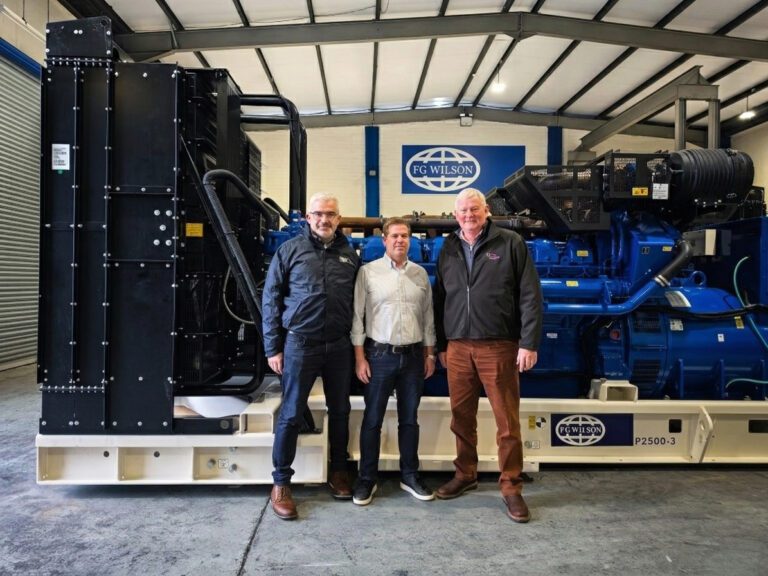
Hydrotreated vegetable oil (HVO) has demonstrated diesel-equivalent performance in generator applications following successful trials conducted by FG Wilson Engineering (Dublin) Ltd (FGWD) in partnership with Tria Energy.
The testing programme, carried out across a range of load conditions representative of both standby and prime power use, confirmed that, for the diesel engines supplied by FGWD, HVO or an HVO blend can be used as a direct replacement for fossil diesel without any modification to engines or fuel systems.
The findings reinforce HVO’s growing role as a practical decarbonisation solution for sectors reliant on dependable backup and temporary power, including data centres, construction and critical infrastructure.
Darren O’Connor, Managing Director at FGWD, said: “Our customers depend on reliability above all else. These trials prove that HVO can meet that standard without compromise, while helping operators make immediate, measurable reductions to their carbon footprint.”
Compliance
The fuel used in the trial met recognised quality standards, including EN 15940, supporting its use as a compliant alternative to diesel where specification requirements are met.
Tria Energy provides ISCC-accredited and ZEMO-approved HVO, safeguarding operators against costly ETS audit risks.
Alongside operational parity, the trial highlighted additional benefits including cleaner combustion and reduced exhaust odour, aligning with broader environmental and workplace considerations.
Tria Energy CEO Patrick Kirby said the results underline the role of certified supply chains in enabling confident adoption: “This partnership shows that you can achieve both sustainability and reliability, while ensuring compliance for customers operating under EU ETS requirements.”
Following the successful pilot, both companies are now exploring wider deployment of HVO across generator fleets, with guidance expected for customers looking to transition away from fossil diesel in power applications.
Image provided by Tria Energy