While the original incident highlighted the growing risk of theft across the sector, it also brought into focus the broader role of integrated tracking and device management in improving visibility, control and day-to-day operational efficiency.
The technology behind the recovery
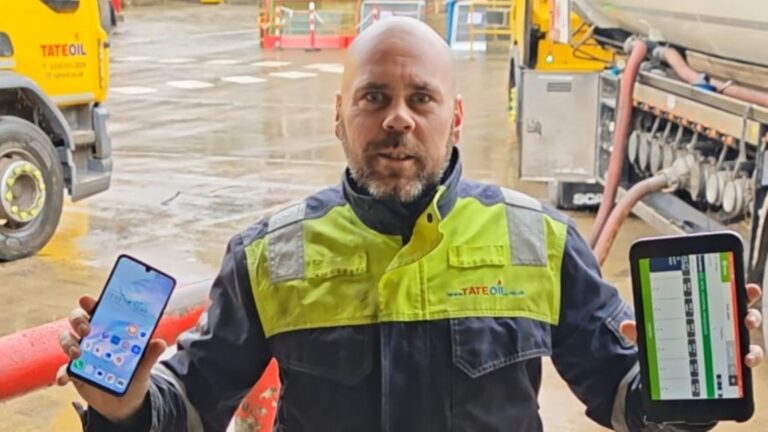
At the heart of the recovery was a tablet-based system supported by mobile device management (MDM) software, giving full remote control over each unit.
This capability proved critical. The system allowed the team to:
- Track the precise location of the device in real time
- Lock down access remotely
- Restrict functionality, rendering the device effectively useless to thieves
Unlike more basic tracking setups, the inclusion of MDM adds an additional layer of security – not just locating assets, but protecting the data held within them. As DTS explains, devices without this level of control remain vulnerable to misuse and data breaches.
The lockdown functionality also had a practical deterrent effect. With no accessible applications or obvious resale value, the stolen device offered little incentive for further interference.
One limitation, however, is common across all mobile tracking solutions: battery life. Once disconnected from a power source, tracking continues only until the battery is depleted, with the system recording a final known location before shutdown.
Embedding the system in operations
For Tate Fuel Oils, the technology was not implemented as an anti-theft measure, but as part of a wider digitalisation strategy through DTS.
Ease of use for drivers was a key factor in the decision, alongside integrated truck-specific navigation and ongoing support.
Initial driver scepticism – shaped by previous experience with less integrated systems – was quickly addressed through hands-on onboarding and responsive remote support. This early engagement proved critical.
As a result, Tate achieved full adoption from the outset, enabling the business to realise wider operational benefits beyond security.
One of the most notable impacts has been in customer service. With 100% driver usage, office teams can rely on live delivery data via the DTS web portal, allowing them to respond to customer queries immediately – without needing to contact drivers or transport teams.
This has streamlined internal communication and improved responsiveness across the business.
Lessons from rollout
Tate opted for a full “switch-on” approach, deploying the system across the operation in one move.
While this accelerated adoption and shortened the transition period, it also highlighted the importance of data readiness. In hindsight, more time spent reviewing customer data and system setup would have eased early pressures.
That said, the business sees the benefits of rapid implementation as outweighing the initial challenges – particularly in driving engagement and embedding the system quickly.
Looking ahead
Beyond theft prevention, Tate sees technology playing an increasing role in improving broader operational standards, particularly around site safety and compliance.
The theft may have brought the technology into sharp focus, but its value extends far beyond a single incident – supporting more efficient, responsive and resilient operations day to day.
Image credit: Tate Oils