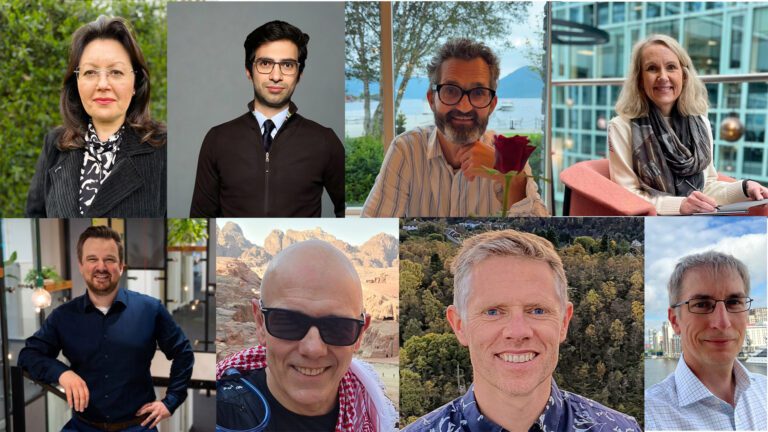
Life After Oil is a community that supports oil and gas professionals who are increasingly recognising that much of their sector is moving in the wrong direction and are deciding to walk away.
“I had become increasingly concerned about the global pace of change compared to the scale of the climate challenge. ” Lionel Clarke, former Shell fuels specialist
“The more I learned, the more difficult it became to reconcile my work with the urgency of the climate crisis. Incremental change no longer felt sufficient.” Colin Simpson, former Project Manager, BP
To coincide with the launch of Life After Oil earlier this year, the Financial Times published a full page communication asking the question: “Should I stay or should I go?”
In their essays, now published online, new members of the Life After Oil community describe their former roles within the sector and the events, ideas and experiences which led to their decisions to leave.
“There was no single dramatic moment that made me decide to leave. Instead, it was a gradual process – a growing question of whether my personal values were still aligned with the industry I worked in.” Anders Dræge, former geophysicist, Equinor
Since its February launch, the original Life After Oil members have organised regular gatherings at a range of venues, both on and off-line, including pub meetings and ‘water-cooler chats’ to introduce potential new members to the community. Webinars led by academics associated with Life After Oil, have added an opportunity to explore more deeply questions raised by the initiative.
“My professional identity was closely tied to the industry, so stepping away meant entering a space of uncertainty and rethinking who I was outside of that role.” Veslemøy Klavenes-Berge, former petroleum geophysicist
Since its launch, Life After Oil has been covered by a wide range of publications and is currently being considered as the subject for a feature on National Public Radio (US), for a documentary film and even a stage play!
“For me, the key has been remaining authentic while learning to connect perspectives that do not usually naturally mesh with each other.” Patrick Peura, former trading & supply strategist, Chevron, Canada
“For those who privately doubt the direction the industry is taking, my message is simple: either speak up or leave if that feels like the honest path for you.” Daniel Sollien, former geologist, Equinor
Life After Oil’s core team has been meeting periodically to fine-tune the initiative’s future strategy and objectives. The prevailing view is that the community exists as a place for people both outside and still within the fossil fuel industry to meet, to seek support and share ideas, but not to act as a campaigning or lobby group.
Speaking on the latest edition of a podcast (‘Jon Richardson and the Futurenauts’) about Life After Oil, Jo Alexander, formerly a geologist at BP and one of the original members said about the initiative: “It’s a community of people who are prepared to tell their story and therefore encouraging of people to leave.
“I don’t think it’s appropriate that we have a campaigning ‘ask’ and if we start going off down a campaigning route, then I think it will put people off joining.
“I want to see us highlighting that it’s normal to leave, that people survive it and that life after oil can be pretty good, if not better; I think that’s the power of it.”
Samantha Cooper, also an original member and a former oil trader said: “My passion for Life After Oil is normalising those who are walking away… For every single person that’s walking away, if they’re vocal about it, that has a knock-on effect and a nudge.
“It’s showing people that they do have a choice and that they can make a difference.”