Elizabeth de Jong, Chief Executive of Fuels Industry UK, said: “The Government is right to put energy security and sovereign capability at the heart of its agenda. But it is not consistently applying that focus.
“Without a UK CBAM for refining, we risk sleepwalking into a future where UK-produced fuels are displaced by higher carbon imports. That weakens resilience by making us rely on other countries more for fuels that are still 47% of energy consumption. It exports good jobs and increases global emissions.”
“The UK has an opportunity to secure our own fuels for the long term and ensure we can continue producing some of the lowest carbon fuels in Europe. But that requires a policy environment that backs British industry. A well designed CBAM, implemented as soon as possible, is the single most important step the Government can take to secure the UK’s fuel resilience for the long term.”
Mounting concern
The UK fuels sector supports 100,000 jobs, contributes billions to the economy both in tax and exports, and provides the fuels that keep transport, emergency services, aviation and defence moving. But rising carbon costs not faced by overseas competitors mean UK sites are competing on uneven terms.
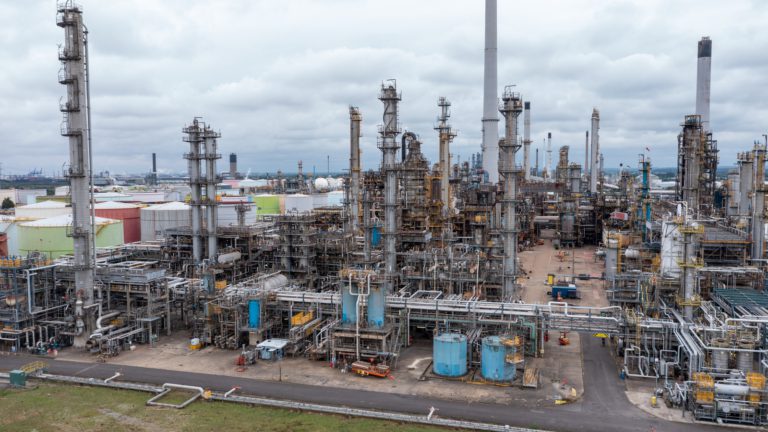
FIUK’s intervention comes amid mounting concern over the future resilience of the UK refining sector following refinery closures and ongoing pressure from international competition, with the industry arguing that domestic production capacity remains strategically important during the energy transition.
Image from stock