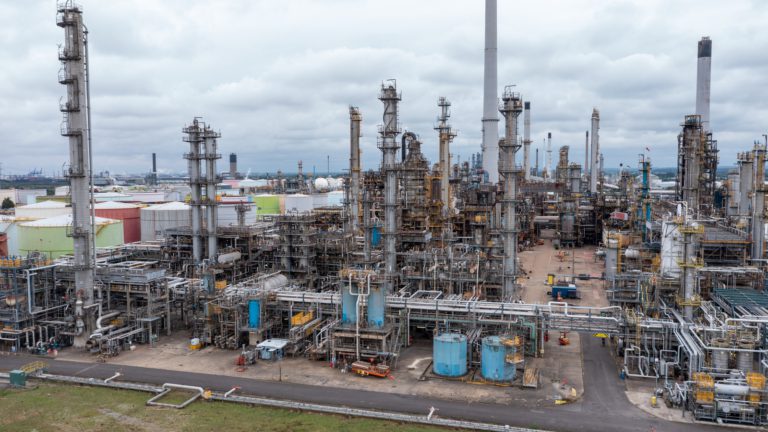
However, the agreement by Phillips 66 to acquire key assets at the site has been broadly welcomed across the fuels sector as a move that preserves strategically important infrastructure at a time of heightened energy uncertainty.
Following the announcement, industry voices have been quick to underline both the opportunities and the inherent risks, particularly around energy security, policy direction and employment.
Capacity loss highlights pressure on UK refining
Fuels Industry UK chief executive Elizabeth de Jong said the integration of the Lindsey assets into Phillips 66’s Humber operations would prevent the permanent loss of infrastructure that could play a vital role in the UK’s future energy system.
She welcomed the involvement of an experienced and reputable operator but warned that the announcement nonetheless confirms a further reduction in national refining capacity.
“The closure of another refinery underlines how difficult domestic fuel refining has become in a hostile regulatory environment,” she said, adding that the erosion of manufacturing capability was “bad for the UK’s industrial and energy future”.
De Jong called on government to act with greater urgency, urging commitment to a firm timeline for a carbon border mechanism that would level carbon costs between domestic producers and imports. Without decisive policy intervention, she warned, further closures could follow, leaving the UK increasingly dependent on overseas supply at a time of growing geopolitical and energy risk.
Fuels Industry UK noted that refining and the wider fuels supply chain still meets around 47% of national final energy demand and underpins the development of lower-carbon fuels and industrial clusters, making the safeguarding of remaining capacity critical.
Union concern over jobs and site future
Trade union Unite struck a more cautionary note, warning that the Lindsey site must not simply be mothballed and repurposed as storage.
General secretary Sharon Graham described Lindsey as “a critical piece of UK energy infrastructure”, stressing its historic role in supplying diesel and supporting hundreds of skilled jobs.
“Phillips 66 should not be allowed to just mothball the site and turn it into a glorified storage tank,” she said, calling on government to work with the company to ensure the transaction protects employment and strengthens national energy security rather than undermining it.
Unite has confirmed it will seek consultations with Phillips 66 to understand its plans for the site and its workforce.
Strategic relevance beyond refining
From an industry and market perspective, the acquisition also serves as a reminder that refining may be ending at Lindsey, but its strategic relevance has not.
Daniel Webb, Head of Sales at Prema Energy, suggested the deal exposes a growing contradiction in UK energy policy.
“On the surface, Lindsey’s closure looks like another retreat from domestic refining capacity,” he said. “But underneath, the asset sale shows that infrastructure still has strategic value, even when the original industrial purpose no longer stacks up commercially.”
Webb argued that Phillips 66 is acquiring optionality rather than sentiment, pointing to the scarcity and long-term importance of tankage, pipelines, grid connections and port access.
“In a world of volatile geopolitics, disrupted shipping lanes and uncertain transition timelines, those assets act as insurance,” he said. “They can support fuel imports today, low-carbon fuels tomorrow, and technologies we haven’t fully committed to yet.”
He added that maintaining activity in the Humber region preserves the skills base and industrial ecosystem needed to manage, rather than abruptly impose, the energy transition.
“Refining ends, but strategic relevance doesn’t,” Webb concluded.
The image of Lindsey Refinery was originally supplied by Prax Group