On Wednesday, the UK Government unveiled its long-awaited Warm Homes plan, outlining a £15 billion funding strategy to upgrade homes and reduce energy bills.
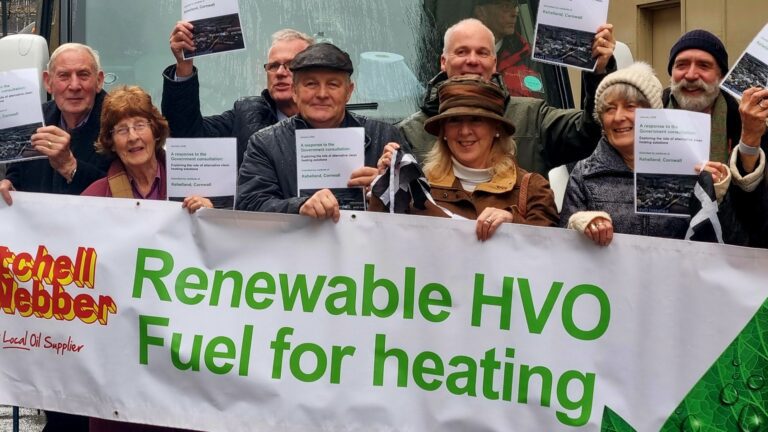
The same day, a delegation of residents and energy groups made the journey from the rural Cornish village of Kehelland to Westminster in a sustainably fuelled bus emblazoned with the exhortation “stand up for the future of your home heating”, to deliver a valuable message on behalf of rural communities across the UK.
The message was simple: while rural off-grid homeowners are keen to reduce their emissions, they need solutions that are practical, affordable, and available now.
The villagers of Kehelland, along with many of the 4.2 million rural voices they represent, have a genuine desire to move to sustainable heat delivery, but need to do so in a way that is practical and affordable.
The delegation is calling for HVO to be formally recognised within the government’s rural heat decarbonisation pathways and supported during the transition period to low-carbon heating.
Community-driven decarbonisation
Kehelland is a typical rural Cornish village, largely unknown beyond its immediate area, yet with a remarkable story to tell. Over the past five years, it has played a central role in what is widely regarded as the most successful community-driven domestic decarbonisation project in the UK.
With a desire to move to more sustainable domestic heat options, similarly to many in rural communities, Kehelland residents explored electrification options but found the costs, disruption, and practical challenges of converting older rural properties to be a major barrier.
Speaking on route to Westminster, Mr Andrew Geake and Mrs Sylvia Geake representing Kehelland Methodist Church, shared the reason for their involvement. “The church is much more than simply a church, it is a vital community facility used by many different groups.”
Convinced of the importance of decarbonising the facility’s energy use, Andrew looked to a variety of solutions including switching out the 45kw boiler for a heat pump. However, electrification proved problematic due to nature of the use of the building, as Andrew explained: “We need heat on demand. Maintaining constant temperature in a building that is used intermittently would result in high running costs and significant wasted energy.”
The Warm Homes Plan aims to tackle the issue of upfront costs through zero- or low-interest loans. While welcome, this still leaves homeowners facing long payback periods, ongoing costs, and slow delivery. With concerns already flagged over the pace of implementation, immediate, affordable and practical solutions are needed alongside longer term policy.
Searching for low carbon solutions better suited to the unique challenges of rural properties, the community found an unlikely ally in local liquid fuel distributor, Mitchell and Webber.
The resultant trial involved switching domestic boilers from fossil heating oil to hydrotreated vegetable oil (HVO) – a high-quality liquid fuel made from certifiable renewable waste sources that delivers up to 90% reduction in carbon emissions.
Joining the trial and switching to HVO delivered the carbon emission reduction Andrew was seeking as well as maintaining a cost- and consumption-effective ‘heat on demand’ approach.
Andrew also noted that HVO was a cleaner, ‘nicer’ and more efficient alternative to kerosene.
Overwhelmingly successful
Early success in Kehelland saw rapid expansion to a national trial supported by industry bodies OFTEC and UKIFDA. More than 150 houses have taken part as well as churches, community buildings, pubs and schools.
Running continuously for over five years, the trial has generated an unprecedented body of real world evidence. By making the fuel switch, the community has demonstrated that significant carbon reduction can be achieved with no boiler replacement, no upfront cost, no household disruption, and only limited additional running costs.
For many rural homes where electrification remains impractical in the short to medium term, the appeal lay in being able to reduce emissions immediately, rather than waiting years for more complex or costly upgrades to become viable
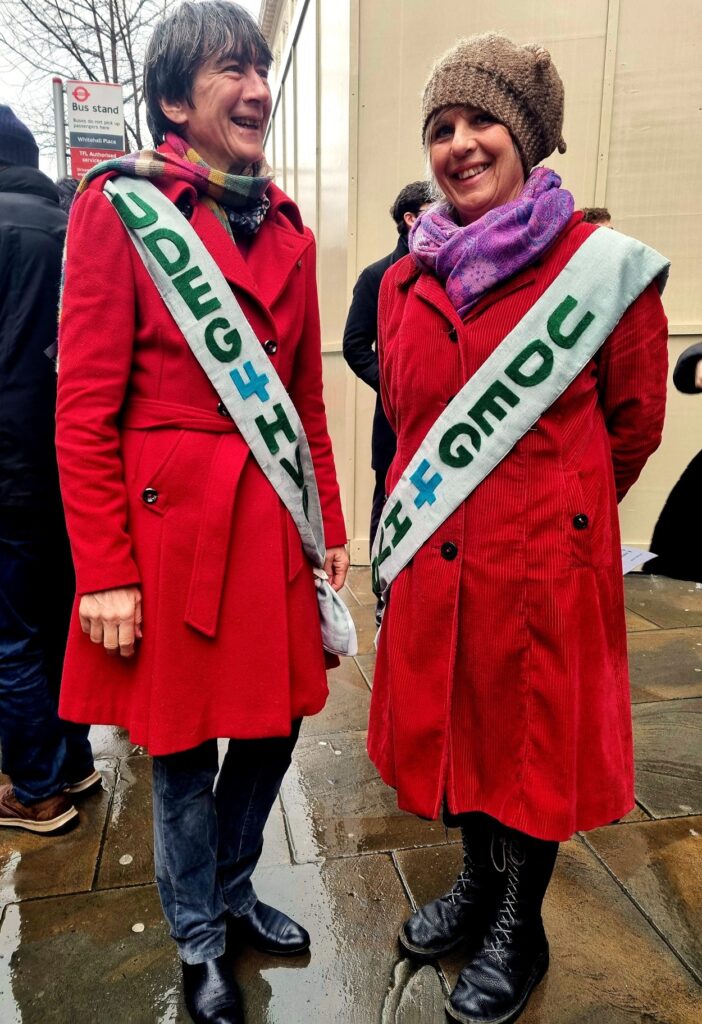
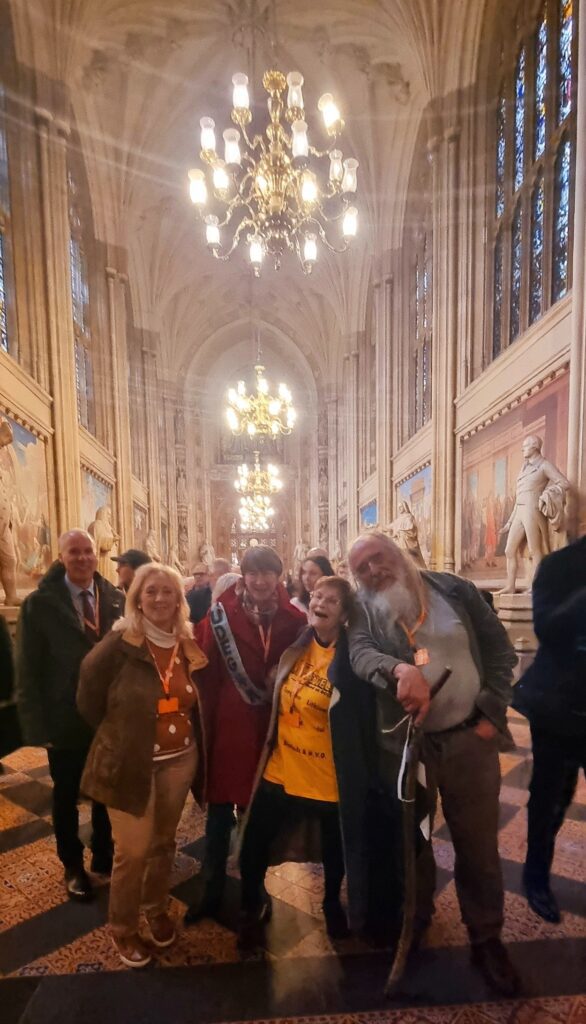
The residents were joined on their journey by representatives of climate action groups United Downs Environment Group and Chacewater Energy Group. Emphasising the need for urgent action to deliver emission reduction in rural areas, as well as the importance of recognising transitional solutions within national policy, group members were vocal in their support for HVO with its ability to make an immediate and sizeable impact.
Taking the message to Westminster
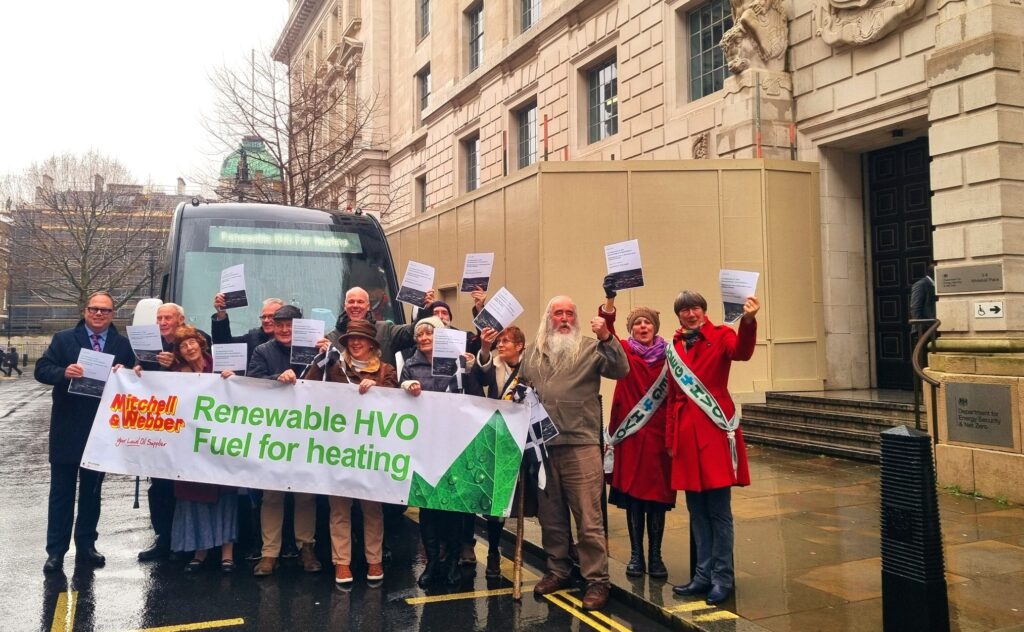
Working with Mitchell & Webber, UKIFDA and OFTEC, the Kehelland community has hosted various events and site visits to share its experience. While MPs and members of the Select Committee have visited the village, no minister from the Department for Energy Security and Net Zero (DESNZ) has yet done so – prompting the decision to take Kehelland to Westminster instead, in the hope of addressing that gap.
As the organiser of the “Cornwall March to Westminster” John Weedon, Director for Mitchell & Webber put it: “If DESNZ won’t come to Kehelland, we’ll take Kehelland to DESNZ.”
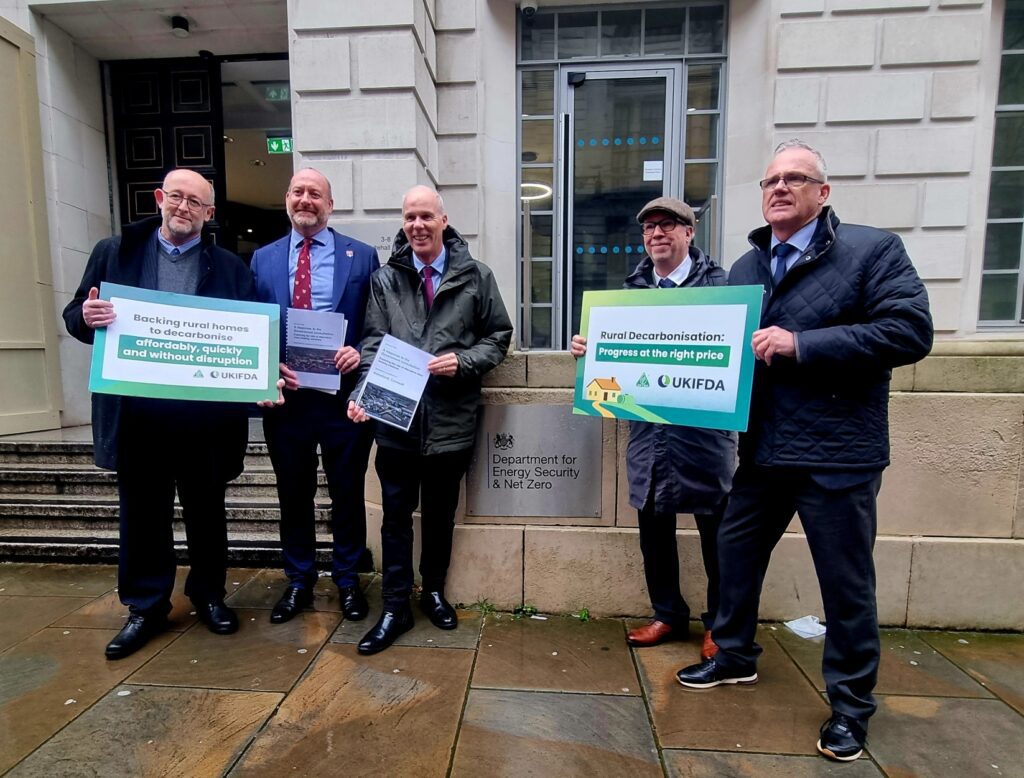
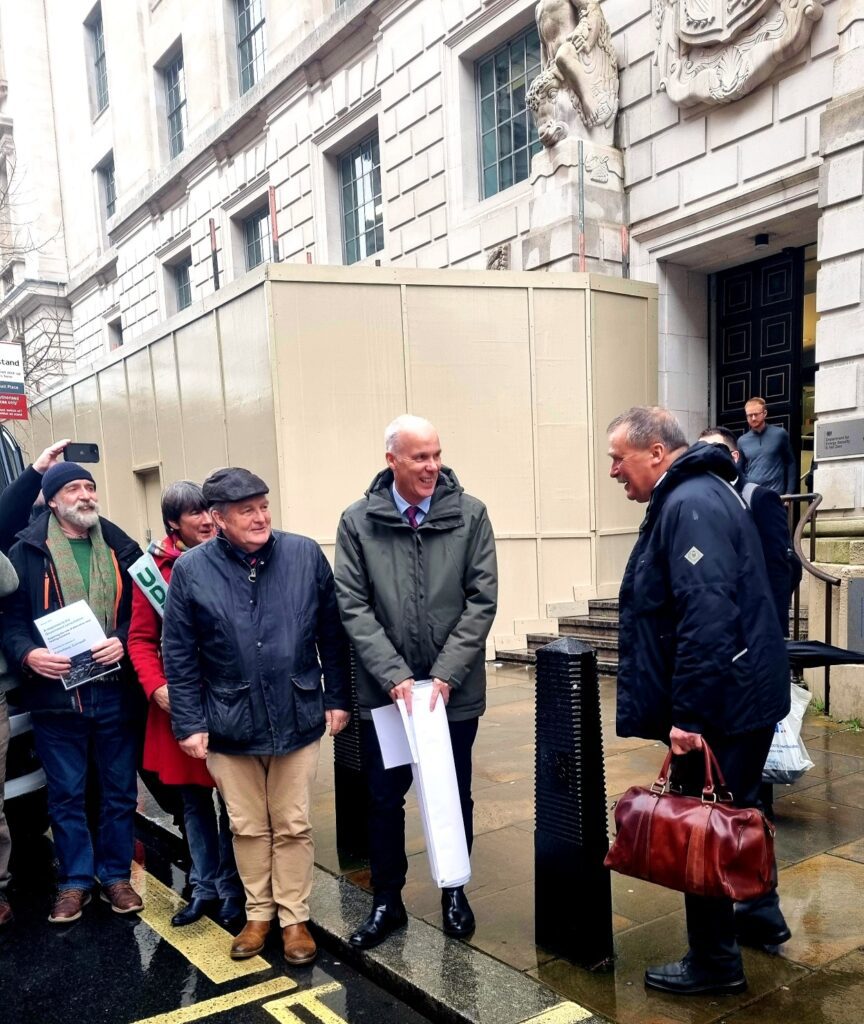
Despite the 3am start, the Cornish delegation arrived in good spirits outside the DESNZ offices , where they were met by Ken Cronin, CEO UKIFDA and Malcolm Farrow, Director of Communications and External Affairs at OFTEC.
Welcoming the delegation, Perran Moon, MP for Camborne and Redruth, offered encouragement for their campaign. Describing the use of HVO as a decarbonisation option for rural communities as “really sensible”, he commented: “It is something that has to be offered as part of the mix of different solutions”
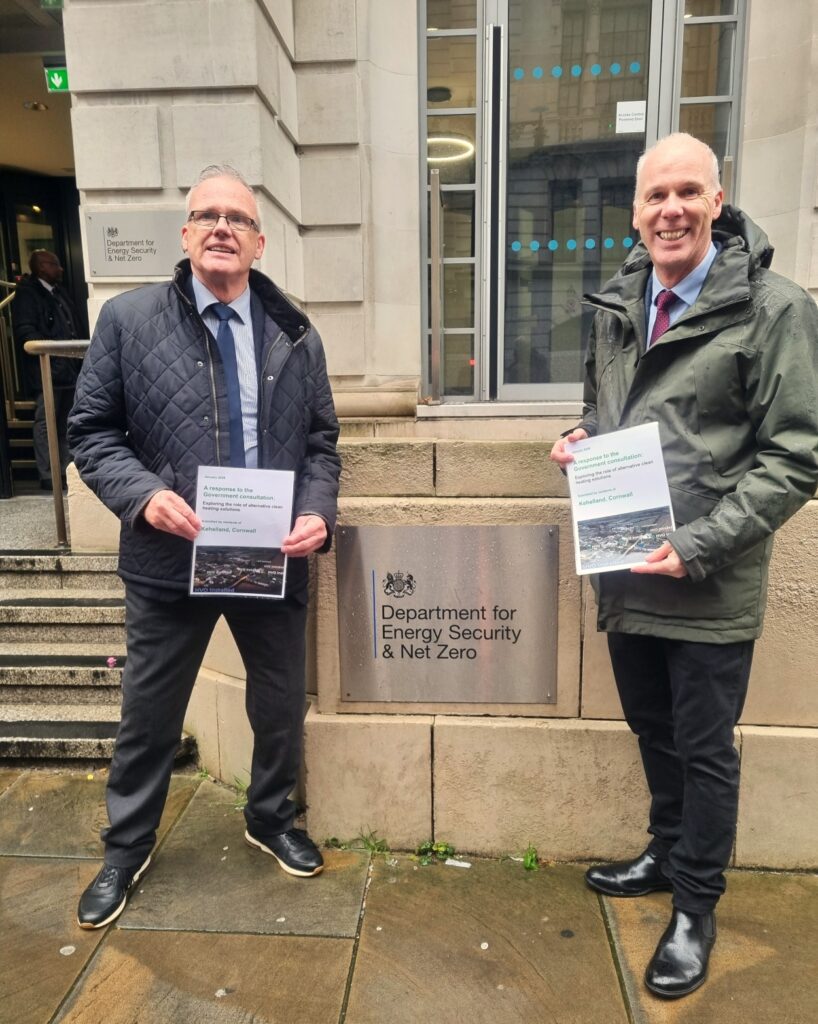
To the sound of enthusiastic chants of ‘Oggy oggy oggy HVO’ from the delegation, the findings of the five-year trial were formally submitted to the government’s consultation on Alternative Solutions for Rural Heat Decarbonisation, which closes on 10 February – a decision point that could shape heating policy for millions of off-grid homes.
Speaking on the day, Ken Cronin commented: “The HVO village in Kehelland is a remarkable success story. It demonstrates that with the right solution, strong community partnership and clear communication, decarbonisation can begin with no upfront cost, no disruption and only limited additional ongoing costs.
“It was a pleasure to meet the villagers of Kehelland and the team from Mitchell & Webber as they presented their findings to the Government today in Westminster.
“As standard bearers for our four million customers, they have shown what can be achieved. It is important that the Government recognises this.”
The Kehelland community believes the question is no longer whether HVO works – but whether rural voices will be reflected in national policy.
As one resident on the HVO-fuelled bus commented: “Five years of proven success — but it still feels like the government isn’t listening.”
With the evidence now formally placed before policy makers, the community hopes its experience will help ensure that rural realities are fully reflected in the UK’s approach to heat decarbonisation, and that practical solutions already delivering results are not overlooked.

Images taken by Margaret Major