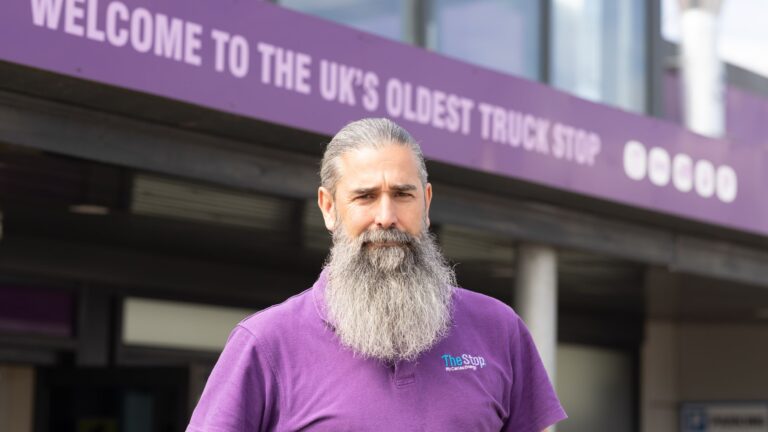
My alarm goes off at…
usually around 4.45am, if I’m travelling to somewhere like Ecclefechan in Scotland, or heading down to Watling Street in St Albans. Early starts are simply a part of the job!
It depends entirely on which site I’m visiting that day. With sites spread across the country, a lot of my week is spent on the road, making sure I can spend quality time with the different teams that are based at each location.
The first thing I do is…
give my wife a kiss before I start the day – first things first!
Because I’m often away for much of the working week, it’s important for me to make the most of the time I do get at home.
I prepare for the day ahead by…
Most of the preparation happens before I even arrive on-site.
I tend to create a priority list for every visit, so I know exactly what needs to be discussed with managers and supervisors that day. Typically, that list includes things like staffing, pricing, productivity, people management and overall site performance.
By the time I arrive, I usually have seven or eight key discussion points that I want to work through with the team. That preparation helps to ensure every visit is productive and focused on delivering improvements.
My typical day –
No two days are exactly the same, which is one of the things I enjoy most about my role. A typical day will involve travelling between truck stop locations, meeting site teams, reviewing operational priorities and looking at opportunities for improvement.
There’s always something that can be refined, whether that’s customer facilities, operational processes or future developmental projects.
A big part of my role is helping sites continue to evolve and ensuring improvement plans are being delivered successfully.
How does the energy transition impact your day-to-day role?
This is something I think about regularly.
I drive an electric vehicle myself, so planning my journey around charging stops is a big part of long-distance travel. On some journeys, I’ll need to recharge at least once, which gives me a practical understanding of some of the challenges and opportunities involved in the transition.
From a business perspective, we’re actively looking at a range of initiatives across the network, including Hydrotreated Vegetable Oil (HVO) promotion, EV charging infrastructure and solar panel installations.
We’re always exploring ways to improve sustainability while making sure we’re delivering practical solutions for both drivers and operators.
My most memorable work moment…
One experience that stands out was supporting Southampton Docks during the fuel shortage several years ago. Fuel volumes increased dramatically, rising from around 50,000 to 60,000 litres per day to around 140,000 litres.
I travelled to Southampton early each morning and spent three days helping manage operations. The priority was making sure fuel remained available, pumps stayed operational, traffic continued flowing safely and the docks remained compliant and open.
It was a challenging situation, but I’m proud of the role we played in keeping a critical service running when it was needed most.
The worst part of my job…
without question, is the time spent away from my family.
Because I’m regularly travelling between sites across the country, I’m often away for most of the working week. It’s part of the commitment that comes with overseeing multiple locations, but it’s definitely the most challenging aspect of the role.
The best part of my job…
is seeing the transformation of a truck stop and hearing directly from drivers that the changes have made a difference.
Whether it’s improved facilities, better services or investments in safety and security, it’s incredibly rewarding when customers notice the impact. Positive feedback, five-star reviews and conversations with drivers all reinforce that the work we’re doing is worthwhile.
Ultimately, the best part is knowing the investments we’re making are creating tangible benefits for the people who use our sites and services every day.
Image supplied by Certas Energy