The trade body has made retaining the 5p-per-litre cut one of its key requests to Chancellor John Healey ahead of the Budget on 28 October.
The main rate of fuel duty on petrol and diesel currently stands at 52.95p per litre, with the temporary 5p cut extended until the end of 2026 as part of government measures introduced in response to the impact of conflict in the Middle East. Logistics UK is calling for that support to continue.
Chief executive Ben Fletcher said fuel represents around one-third of the running costs of an HGV fleet, meaning changes in duty can have a significant impact on both operating costs and investment decisions.
“Key to this is maintaining the current rate of fuel duty, including the 5p cut,” he said.
“Fuel accounts for roughly one-third of a HGV fleet’s running costs, so any increases in fuel duty can significantly affect business viability, investment decisions and the cost of living.”
Fuel price volatility remains a concern
The call comes against a backdrop of continuing uncertainty over international energy markets.
Logistics UK said the Middle East conflict had demonstrated how quickly geopolitical events can translate into higher fuel and shipping costs for UK businesses.
Fletcher warned that an increase in fuel duty while operators continue to manage volatile underlying fuel prices could have a wider inflationary impact.
“This is why it is not the time to increase fuel duty,” he said, adding that higher transport costs risk feeding through both to pump prices and the cost of goods.
The government announced a £250 million support package earlier this year, including the extension of the 5p fuel duty cut, concessions on HGV Vehicle Excise Duty and temporary reductions in red diesel duty.
Alongside fuel duty, Logistics UK’s Budget submission calls for reform of business rates to encourage investment in warehouses and freight infrastructure, and for logistics to be included within the British Industrial Competitiveness Scheme as increasing numbers of operators move towards battery-electric vehicles.
The organisation argues that controlling current operating costs while supporting investment in future transport technologies will be critical if logistics businesses are to maintain confidence and continue investing.
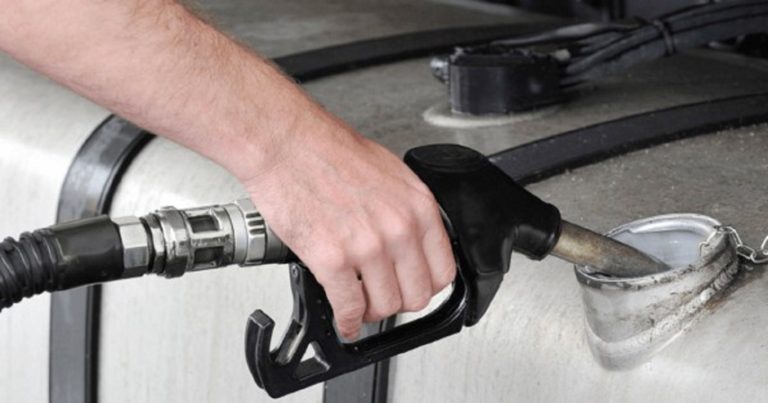
Image from stock