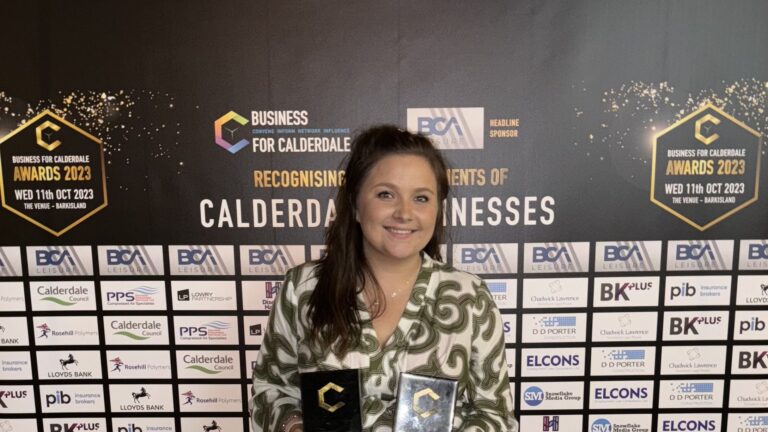
Now Depot Manager at RSM Fuel Delivery, Emily has taken on greater responsibility for the day-to-day running and continued development of the depot, while maintaining the practical, hands-on approach that has characterised her career to date.
Following on from her ‘A Day in the Life’, Emily shares her thoughts on career progression, leadership, driving tankers, the changing face of fuel distribution and what the next generation can bring to the industry.
You’ve been in the industry over a decade, what made you decide it was time for this new challenge?
“I liked the idea of being a lot more involved in the daily running of a depot and I was especially interested in continuing within the operational and transport side of the industry. It felt like a role where I could bring a lot of the experience to the table that I’d gained over the years and continue to learn.
“When the opportunity came up to join the team at RSM I was very keen to take on new challenges. By that point, I had built up a lot of experience across different areas of the industry. I felt that the Depot Manager role gave me the opportunity to take on more responsibility and develop that experience even further.”
How different is the role – and what have you learned about yourself?
“Taking the leap into this role has given me a much broader level of responsibility and a real insight into the operational side of the business. There are a lot of moving parts to keep on top of including drivers, vehicles, deliveries, stock, customers, suppliers, compliance and so much more. More often than not, several of those things need dealing with at the same time!
“Since joining RSM Fuel Delivery, I have also been given the chance to help expand and grow the depot and the fuel delivery team. A lot has changed since the first day I walked into the yard: bringing new drivers into the team, adding new tankers to the fleet, brand new fuel tanks with larger capacities and a loading skid along with so much more.
“It’s been really rewarding to see the operation grow as quickly and efficiently as it has and to know I’ve played a part in that is something I am proud of!
“I’ve learnt that I really enjoy that side of the industry. I like being busy, solving problems and having to think on my feet when things don’t go to plan. Also, I have learnt that I’m probably more capable of juggling everything than I sometimes give myself credit for. There’s always something new to deal with, but I enjoy the challenge. And I look forward to the continued growth and success of the RSM group!
How did winning UKIFDA’s inaugural Young Person of the Year Award affect your career?
“Winning the very first UKIFDA Young Person of the Year Award was an extremely proud moment for me and my family. I always go above and beyond and to see that being recognised was just what I needed to give me a massive confidence boost at a relatively early stage in my career.
“It also gave me more opportunities to get involved in things outside of my day-to-day role and really progress into the person I have become today.
“It’s been nice to be able to use my experiences and achievements to talk about the industry and hopefully encourage other people, particularly younger people and women, to consider joining the fuel industry as a career option.”
You have become something of an ambassador for the industry. Do you think it has become more welcoming and diverse?
“For me, it’s so important that young people can see other young people that they can relate to, working in different roles and realise that this is an industry they can build a brilliant career in.
“I honestly do think there has been a noticeable change within the industry when it comes to more young people, both male and female, coming through and joining the many different areas of the industry.
“When I first joined the fuel industry, I don’t think I saw as many women in some of the operational and transport roles, whereas now I think there’s a lot more awareness out there, that there are opportunities out there for everyone.
“Fuel distribution is a lot broader than people might realise, and there are so many different career paths within it. There is still work to do, though. I think the industry needs to keep showing people what the opportunities look like. And keep broadcasting the achievements and successes of the upcoming youngsters in the industry to really get the word out there.”
What kind of manager do you want to be?
“I have always tried to be approachable and someone that people feel comfortable coming to, whether they’ve got a problem, a question or just need a second opinion. I may be young, but I do have a lot of knowledge and experience to share that I have gained through the past 11 years.
“I have always appreciated the people who were willing to take the time to explain things to me rather than just expect me to know everything, so that’s something I want to do for other people.
“I also think it’s important to listen to the people doing the job. Especially in operations, the people on the ground often have the most practical understanding of what’s happening. If you don’t know, ask! That is how you learn!”
How important is it to understand life on the road?
“I think it’s so important and I absolutely love having the ability and the skillset to be able to drive our fuel tankers!
“Having the qualifications to drive fuel tankers means I’ve been able to understand the job from the driver’s perspective, which is highly important, rather than only seeing things from an office.
“There are so many things that drivers must deal with out on the roads that you don’t necessarily appreciate until you’ve done it for yourself…traffic, access issues, customers, weather, time pressures and everything else that comes with the role.
“I think having that understanding really does help when you’re managing the operation because you have a much better idea of what is realistic and what your drivers are dealing with. It also helps, when things don’t go to plan, that I have the option to get my uniform and boots on and get stuck in if needed!”
What do people outside the industry misunderstand about fuel distribution?
“I think a lot of people probably don’t realise how much goes into getting their fuel from A to B…despite what people might think, it isn’t just as easy as driving a tanker from one place to another!
“From the planning and logistics to compliance, vehicle maintenance, stock management and coordinating drivers and customers, there’s a huge amount happening behind the scenes. They’d be surprised by how much problem-solving is involved. Things rarely go exactly to plan, so you must be able to adapt quickly and find a solution.”
What does the energy transition look like at the depot rather than in the headlines?
“There’s a lot happening across the industry, from alternative fuels such as HVO to new technologies and different ways of approaching transport and energy.
“On the ground, it’s about understanding how those changes actually work in practice. From where I sit, the energy transition is more of a gradual change rather than everything changing overnight.
“Day to day, my role is still very much about keeping the operation running safely and efficiently.
“The energy transition means us all staying informed, being open to new ways of working and making sure we all understand what these changes mean operationally, as well as for our customers.
“The industry is evolving, but there’s still a huge amount of knowledge and experience that needs to come with it, and I think that’s where the real change happens.”
What skills will the next generation need?
“For young people coming into the industry, I think giving them a broad understanding of the business and the industry is extremely valuable. Don’t just teach someone one job – give them the opportunity to understand how the different parts of the industry fit together.
“There will always be new skills that become more important as the industry changes, particularly around technology, data and understanding new fuels and systems. But I don’t think the basics will change. Communication, problem-solving, organisation, safety and being able to work well with people will always be important.”
What are you proud of that people might not know about?
“Gaining my fuel tanker driving qualifications! It’s something I funded myself at a young age and really pushed myself to gain my Class 1 and 2 HGV licences and finally go in for my ADR qualification to allow me to drive fuel tankers.
“It wasn’t something I had to do, but something that I wanted to do, to get the experience and the understanding that comes with getting behind the wheel. I pushed myself to do these because I wanted to understand another side of the industry and not just manage things from behind a desk and as my mum would say…add another string to my bow!
“I’m proud of the awards and opportunities I’ve had, but I’m probably just as proud of the things I’ve challenged myself to do along the way.”
What would you tell the Emily who started in the industry in 2015?
“I’d probably tell her to enjoy it, don’t overthink too much, say yes to every opportunity, keep learning, keep asking questions and don’t be afraid to try things that are outside her comfort zone.
“Some of the opportunities I’ve had have come from simply putting myself forward and seeing what happens. When you’re just starting out, you don’t necessarily know where your career is going to take you and the unknown can be very scary – I wouldn’t have predicted where I am now!”
Emily’s career so far has taken her from an apprenticeship to depot management, while giving her experience across many different aspects of fuel distribution. Her message for those coming into the industry is equally relevant to those already established within it: stay curious, keep learning, get involved and don’t be afraid to take the next opportunity.
Image credit: Emily Yates, RSM Group